

The digital advertising world has entered a new phase, and the latest meta ads update is at the center of it. If your campaigns have recently started behaving differently—whether in terms of cost, reach, or lead quality—there’s a strong chance these changes are already affecting you.
For years, advertisers relied on predictable targeting, detailed segmentation, and manual optimization. But now, that approach is rapidly becoming outdated. The meta ads update in 2026 is not just about adding new features—it’s about redefining how campaigns are built, optimized, and scaled.
What makes this shift more important is its direct impact on lead generation. Many businesses are seeing either a drop in leads or inconsistent performance. This is not random. It’s a result of deeper changes happening behind the scenes.
If you want to stay competitive, you need to understand what has changed, why it matters, and how to adapt your strategy before your campaigns lose momentum completely.
What Is the Latest Meta Ads Update in 2026?
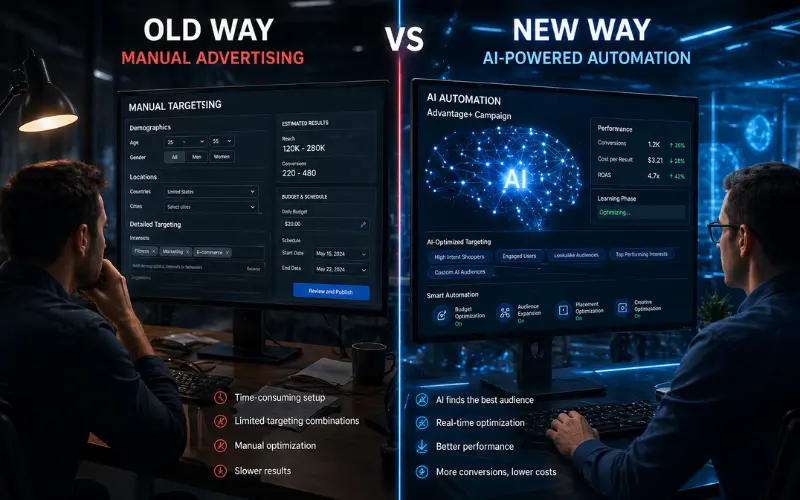
According to updates shared by Meta Platforms the latest meta ads update focuses on three major areas: automation, data modeling, and simplified campaign structures. These changes are designed to make advertising more efficient while adapting to increasing privacy restrictions.
Meta is moving away from heavy manual control and toward AI-driven systems. Campaigns are now expected to rely more on machine learning, which uses large amounts of data to optimize performance automatically.
Another key reason behind this meta ads update is the decline in third-party data tracking. With stricter privacy policies, Meta has shifted toward aggregated data and predictive analytics. This allows the platform to continue delivering results without relying on user-level tracking.
In simple terms, advertisers now need to guide the system rather than control every detail. The role of the marketer is evolving from operator to strategist.
Key Changes in Meta Ads You Must Know
AI-Powered Campaign Optimization
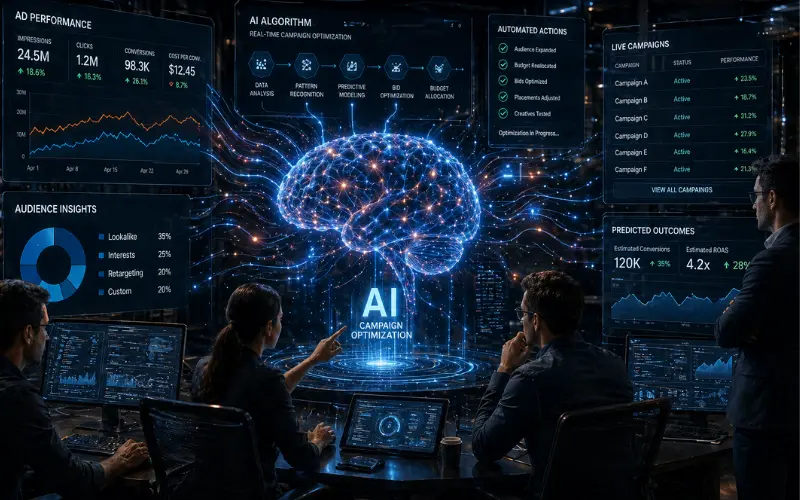
The most noticeable part of the meta ads update is the increased reliance on AI. Campaign types like automated shopping campaigns and Advantage+ solutions are now central to Meta’s strategy.
These campaigns reduce the number of manual decisions required. Instead of selecting every audience and placement, the system analyzes behavior patterns and adjusts in real time.
This does not mean control is lost—it means control has shifted. Marketers must now focus on providing the right inputs, such as high-quality creatives and accurate conversion data.
Those who understand this shift are already seeing better performance compared to those who try to override the system.
Changes in Audience Targeting
Audience targeting has undergone a major transformation with the meta ads update. Detailed targeting is still available, but its importance has decreased significantly.
Meta now encourages broader audiences. The idea is simple: give the system more flexibility so it can find the best users based on behavior rather than fixed filters.
Lookalike audiences have also evolved. Instead of relying purely on demographic similarity, they now consider deeper engagement signals.
This means your data quality—such as pixel events and customer lists—has become more important than ever.
New Ad Placements and Formats
The meta ads update has expanded ad placements, especially in short-form video environments. Formats like vertical video and immersive content are now prioritized.
Automatic placements are more effective than manual selection in most cases. The system distributes ads where they are likely to perform best.
This shift requires creatives to be more flexible. Ads should work seamlessly across multiple formats without losing clarity or impact.
Static creatives are still useful, but they often need to be supported by dynamic and video-based content.
Privacy and Tracking Updates
Privacy continues to drive every major meta ads update. Tracking limitations have made it harder to measure individual user journeys accurately.
Meta has responded by improving its data modeling capabilities. Instead of relying on exact tracking, the platform uses aggregated data to estimate performance.
While this reduces transparency at a micro level, it provides a broader view of campaign effectiveness.
Marketers must adjust by focusing on overall trends rather than relying on precise attribution.
How the Meta Ads Update Is Affecting Lead Generation
The meta ads update has significantly changed how leads are generated and measured.
One of the most common effects is fluctuating cost per lead. Campaigns may take longer to stabilize because the system needs time to learn and optimize.
Lead quality can also vary during the learning phase. This is because broader targeting introduces more variation in user behavior.
However, once the system gathers enough data, performance often improves. The key is to avoid making quick changes that disrupt the learning process.
Another impact is reduced clarity in tracking. Advertisers may find it harder to identify which specific ad drove a lead. This requires a shift in mindset—from precise tracking to overall performance evaluation.
Common Mistakes Marketers Are Making After the Meta Ads Update
Many advertisers struggle with the meta ads update because they continue using outdated methods.
One major mistake is over-optimization. Constantly editing campaigns prevents the system from learning effectively.
Another issue is relying too heavily on narrow targeting. This limits the algorithm’s ability to explore new opportunities.
Poor creative strategy is also a common problem. With broader targeting, creatives must do more work to attract and convert users.
Ignoring data trends is another mistake. Even though tracking has changed, patterns still provide valuable insights.
Successful marketers focus on adapting rather than resisting these changes.
How to Adapt Your Strategy to the New Meta Ads Update
Smarter Audience Targeting
The meta ads update requires a shift toward broader targeting strategies. Instead of restricting your audience, allow the system to identify high-performing users.
Use strong data signals such as conversion events and customer lists. This helps the algorithm learn faster and improve accuracy.
Broad targeting combined with quality data often delivers better results than highly segmented audiences.

Creative Optimization Tips
Creative strategy has become a key driver of success.
To align with the meta ads update, focus on:
- Clear and simple messaging
- Strong visual hooks
- Short, engaging videos
- Multiple variations for testing
Creatives should be designed for mobile-first consumption and optimized for quick engagement.
Budget and Bidding Adjustments
Budget management has also changed under the meta ads update.
Avoid frequent budget changes, as they can reset the learning phase. Instead, scale gradually based on consistent performance.
Automated bidding strategies are now more effective than manual adjustments. Trusting the system often leads to better long-term results.
Leveraging AI Tools Effectively
AI is central to the meta ads update, and using it correctly can significantly improve campaign performance.
Automated campaign types should be used strategically. Provide high-quality inputs and allow the system to optimize over time.
Think of AI as a tool that amplifies your strategy rather than replaces it.
Expert Tips to Maintain or Increase ROI After the Meta Ads Update

To succeed after the meta ads update, focus on consistency and strategy.
- Prioritize creative quality over targeting complexity
- Allow campaigns to stabilize before making changes
- Monitor trends instead of daily fluctuations
- Use conversion-focused objectives
- Continuously test new creatives and angles
These approaches help maintain stability and improve ROI over time.
Future of Meta Ads: What to Expect Next
The future direction of the meta ads update is clear—more automation, better AI, and increased reliance on data modeling.
Manual control will continue to decrease as systems become more advanced. Marketers will need to focus on strategy, creativity, and data quality.
Privacy will remain a major factor, influencing how data is collected and used.
The most successful advertisers will be those who adapt quickly and embrace these changes.
Conclusion
The meta ads update in 2026 has transformed digital advertising in a fundamental way. From AI-driven optimization to evolving privacy standards, the platform now operates differently than before.
Marketers who understand these changes can turn them into opportunities. Those who ignore them risk falling behind.
The key is to adapt your strategy, focus on strong creatives, and trust the system to optimize performance over time.
If your leads are declining, it’s not just a temporary issue—it’s a sign that your approach needs to evolve with the latest meta ads update.
Frequently Asked Questions (FAQs) About Meta Ads Update
1. What is the latest meta ads update in 2026?
The latest meta ads update in 2026 focuses on automation, AI-driven optimization, and improved data modeling. Meta is shifting toward simplified campaign structures where machine learning plays a major role in targeting, placements, and performance optimization.
2. How does the meta ads update affect lead generation?
The meta ads update can impact lead generation by changing how audiences are targeted and how conversions are tracked. Initially, you may see fluctuations in cost per lead, but with proper optimization and patience, campaigns can become more efficient over time.
3. Why are my leads dropping after the meta ads update?
Leads may drop after a meta ads update due to outdated strategies, over-targeting, or frequent campaign changes. The new system requires broader audiences, stronger creatives, and time for AI to optimize performance.
4. Is manual targeting still effective after the meta ads update?
Manual targeting is still available, but the meta ads update favors broader targeting combined with AI optimization. Over-restricting your audience can limit performance and reduce lead quality.
5. How long does it take for campaigns to stabilize after the meta ads update?
After implementing changes based on the meta ads update, campaigns typically need several days to a couple of weeks to stabilize. This depends on budget, data signals, and how frequently changes are made.
6. What type of creatives work best after the meta ads update?
Post meta ads update, short-form videos, engaging visuals, and clear messaging perform best. Creatives should be mobile-friendly, attention-grabbing, and designed for quick consumption.
7. Should I use automated campaigns after the meta ads update?
Yes, automated campaigns are highly recommended after the meta ads update. Features like AI-based optimization help improve performance by analyzing large amounts of data and adjusting campaigns in real time.